
Teen Dating Violence
Dating Violence is defined as any intentional sexual, physical or psychological attack on one partner by the other in a dating relationship. It is a pattern of assaults and controlling behaviors that one person uses against another in order to gain or maintain power in the relationship.
Behaviors shown in Teen Dating Violence (TDV) relationships might include:
Name-calling/Put-downs
Making threats to commit suicide
Spreading rumors
Blaming the abused partner for all the problems in the relationship
Constant accusations of cheating
Stalking
Using technology to stalk, send malicious messages, post inappropriate pictures
Silent treatment
Teasing and bullying
Unwanted sexual advances, forced prostitution, or forcing partner to watch pornography
Effects of TDV may include:
Lower self-esteem
Feeling fear
Nightmares and sleeplessness
Depression or anxiety
Suicide or thoughts of suicide


Dating violence is more common than people think, especially among teens and young adults: one in three teens in the US will experience physical, sexual, or emotional abuse from someone they’re in a relationship with before they become adults, and nearly half (43%) of college women report experiencing violent or abusive dating behaviors.
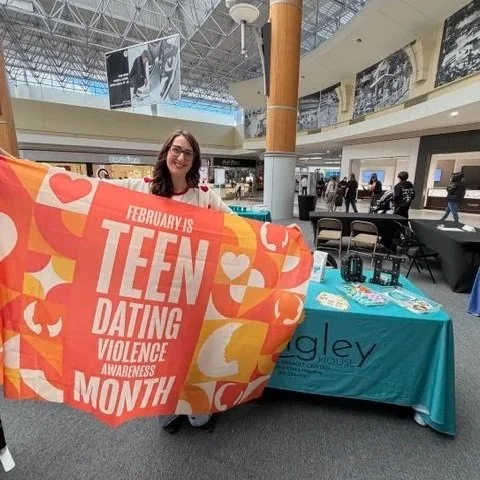
Every February, young people and their loved ones join together across the country for a national effort to raise awareness about the issue of teen dating violence through Teen Dating Violence Awareness Month (TDVAM). This annual, month-long push focuses on advocacy and education to stop dating abuse before it starts.
Teen Dating Violence Safety Planning
Creating a safety plan may help you to protect yourself from future harm or abuse.
You may want to consider:
Talking to an adult you trust, whether they are a parent/teacher/family member/etc.
Keep your technology passwords safe and confidential (Includes Facebook, Instagram, Twitter, TikTok, cell phone, bank account, email, etc.)
Maintain relationships with your close friends.
Continue participating in activities you enjoy (i.e. playing sports, art, drama, playing instruments, etc.)
Resources
One Love — onelove.org
Love is Respect — loveisrespect.org — 1-866-331-9474
National Domestic Violence Hotline — thehotline.org — 1-800-799-7233
Break the Cycle — breakthecycle.org
Pandora’s Project — pandys.org — 612-234-4204